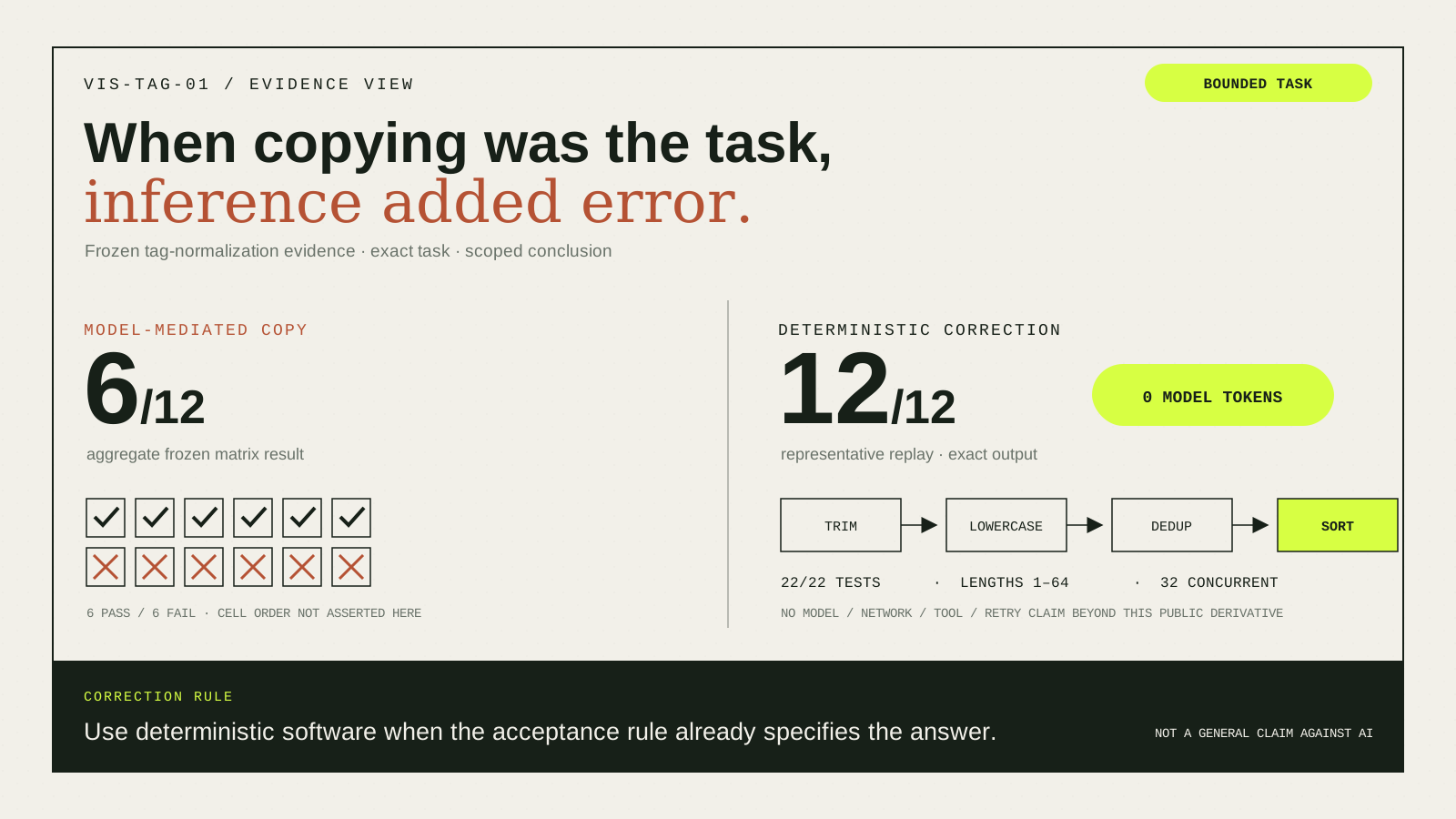
A local model failed an exact-normalization boundary. The correct correction was not a better prompt—it was removing inference from the lane.
The decision
Use a model where interpretation contributes value. Use ordinary software where the correct transformation is already known.
Problem
A small local model appeared promising for exact tag normalization, but its copying errors were non-monotonic. Some longer strings passed while shorter patterns failed. The independent validator already knew the correct answer, making inference an unnecessary dependency.
Intervention
The model-backed route was replaced with deterministic local computation: validate the frozen schema and sensitivity boundary, then trim, lowercase, deduplicate whole values, sort, and write a redacted audit record.
Observed result
The replacement passed the frozen representative replay, exhaustive accepted lengths, concurrency, audit, fail-closed, installed-command, and rollback checks with zero model tokens.
Verified evidence
What the record supports.
Model matrix
6 / 12
Deterministic replay
12 / 12
Accepted lengths
1–64 exact
Concurrent audit
32 / 32
Model tokens
0
22/22 deterministic lane tests, twice
19/19 router tests, twice
7/7 eligible replay cases and 5/5 mandatory denials
Exact prior model-era hashes restored in rollback rehearsal
Public evidence files
Inspect the record.
Public-safe derivatives only. Source availability does not broaden the claim stated on this page.