Context
Evidence-heavy interfaces become misleading when every polished card looks equally current and authoritative. AlexOS keeps chronology visible while separating current authority from useful history, preserved failure, and open claims.
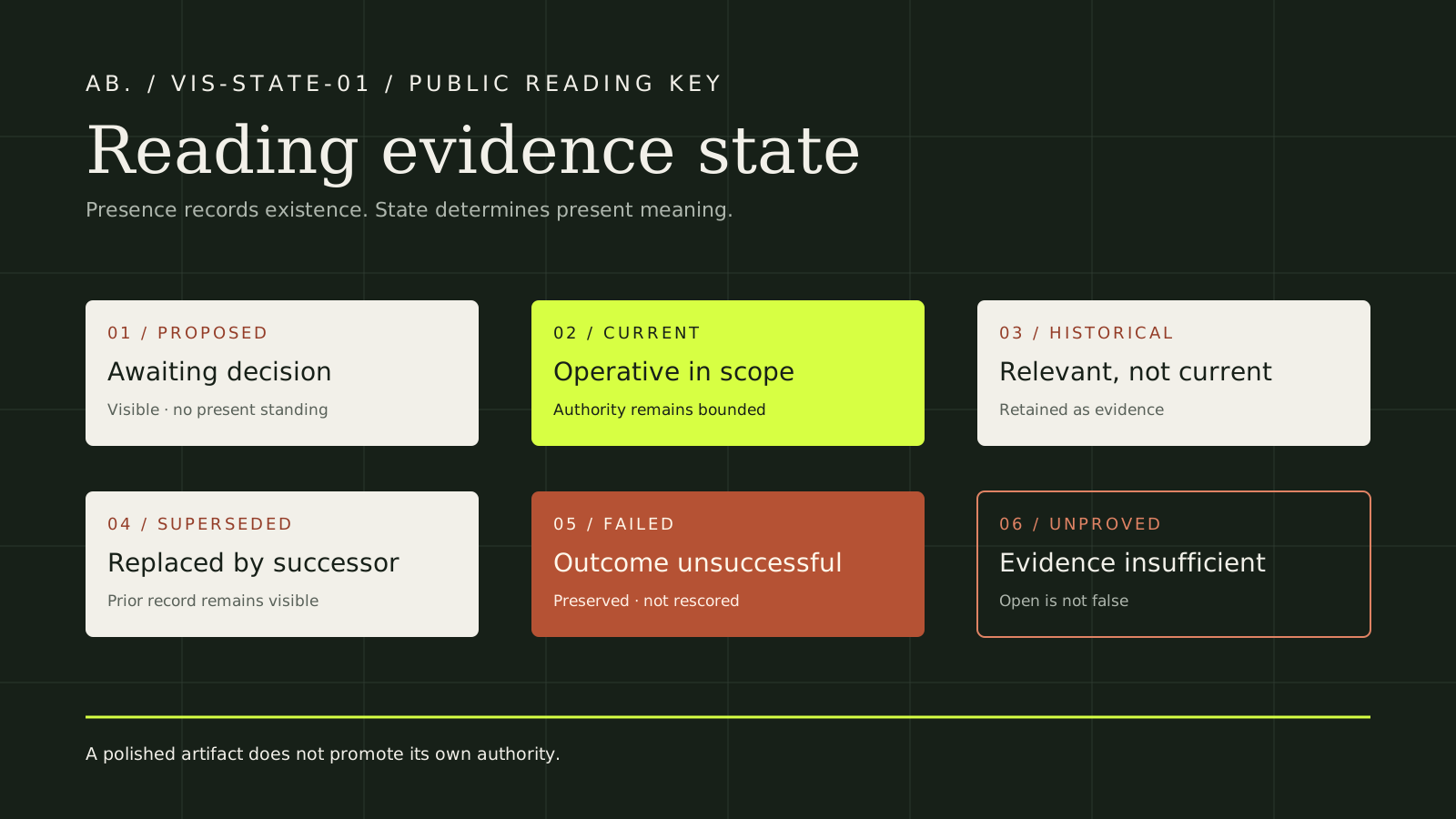
Six plain-language states help a visitor distinguish an idea, an operative record, inherited history, a replaced decision, an unsuccessful result, and a claim the evidence still cannot support.
Governing rule
Context
Evidence-heavy interfaces become misleading when every polished card looks equally current and authoritative. AlexOS keeps chronology visible while separating current authority from useful history, preserved failure, and open claims.
Current state
This public reading key translates six recurring evidence states without exposing internal schemas. The labels clarify interpretation; they do not independently verify the underlying record.
Current evidence
Public evidence files
Public-safe derivatives only. Source availability does not broaden the claim stated on this page.
Claim boundary
Next evidence
Apply the vocabulary consistently across public AlexOS pages and test whether first-time visitors can identify which claims are current, historical, failed, or still open.